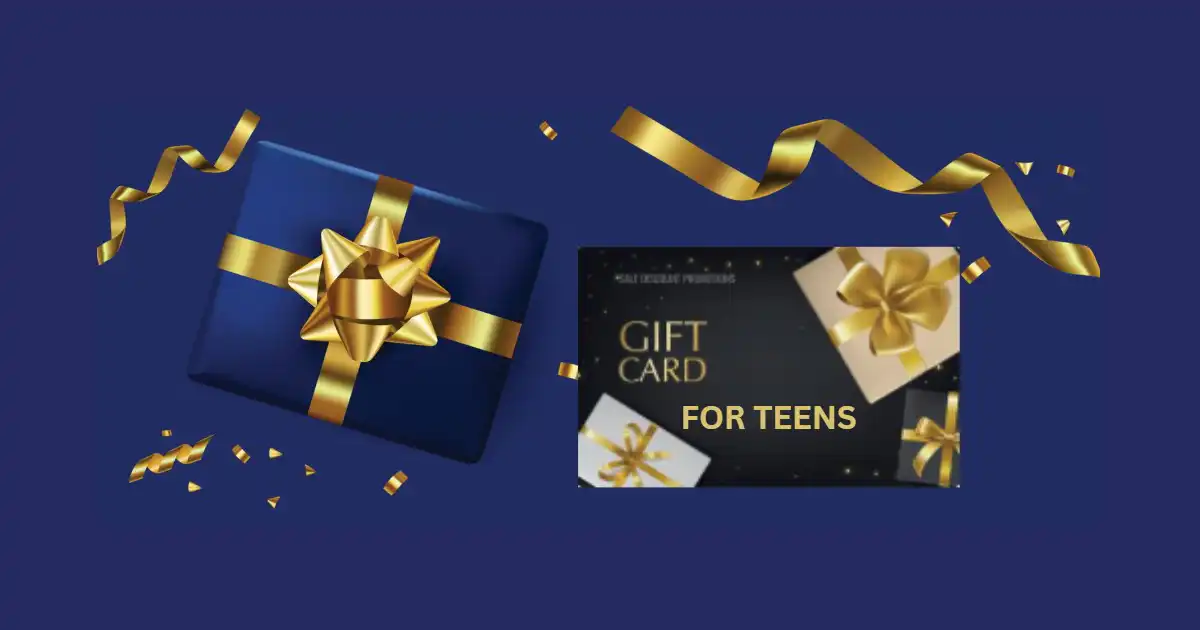

 Next Generation Gift Card
Complete History of Gift Cards: From Paper Certificates to Digital Wallets
A gift card may seem like a simple way to give someone the freedom to choose, but its journey has been anything but simple.
What began as a paper certificate issued by retailers eventually became the plastic card found in wallets, then an eGift card delivered by email, and now a digital asset that can be stored and managed through a digital wallet.
The evolution of gift cards mirrors the way people shop and pay. As retail moved from physical stores to online platforms and smartphones became part of everyday shopping, gift cards evolved along with them.
Today, a digital wallet app can make it possible to access, track, and use gift card balances without carrying a physical card.
So, how did a piece of paper become a digital spending tool? The answer takes us through decades of retail innovation, changing consumer habits, and technology that continually made gifting more convenient.
Before Gift Cards: The Paper Era
Long before shoppers could buy a gift card online, retailers relied on paper gift certificates.
The basic idea was straightforward. A store issued a certificate with a particular monetary value, and the recipient could bring it to the store and use it toward a purchase. Similar voucher systems existed decades before the modern gift card.
Paper certificates solved an important gifting problem: you could give someone the freedom to choose without handing over cash.
But the format had obvious weaknesses. Paper could be lost, damaged, duplicated, or forged. Retailers also had to keep track of certificates manually, making redemption more cumbersome than today’s digital transactions.
Then technology began to change the equation.
1990s: Paper Started Giving Way to Plastic
The modern gift card story took a major turn.
By the late 1990s, major retailers such as Macy’s, Gap, Bloomingdale’s, and others were replacing or supplementing paper certificates with plastic prepaid cards. The cards could electronically deduct purchases from the stored balance, making them easier for both shoppers and retailers to manage.
The gift card had officially entered the mainstream.
Why Plastic Changed the Gift-Giving Game
The move from paper to plastic was more than a cosmetic upgrade.
A plastic gift card was easier to carry and could be electronically connected to a stored balance. Retailers could also design cards around holidays, brands, movies, special events, and other themes. That created another important shift: the gift card became part of the gift itself.
Instead of looking like a financial certificate, it could look like a miniature expression of the brand or occasion. Retailers began experimenting with customized designs and collectible cards, making the experience more personal.
Early 2000s: Rise of Reloadable Gift Card
The next major breakthrough was reloadability.
Instead of treating a gift card as a one-time transaction, retailers began turning it into something customers could continue using. This changed the psychology of the product.
A gift card was no longer necessarily just a gift. It could become a convenient way to pay, a loyalty mechanism, or even a way to control spending at a particular retailer.
The boundaries between gifting, payments, and rewards were beginning to blur.
Gift Cards Enter the Digital Age
Then came online shopping.
As consumers began purchasing products on websites rather than only in physical stores, the traditional plastic gift card faced a new question: why should gifting remain physical if shopping was becoming digital?
The answer was eGift card.
Digital gift cards removed the need to manufacture, package, and ship a physical card. Instead, the recipient could receive the gift through email, text, a website, or an app.
This was a deceptively important change.
A physical gift card could take days to arrive. A digital gift card could arrive almost immediately. That made last-minute gifting dramatically easier.
Forgot a birthday? Need a thank-you gift tonight? Want to send something to someone in another state? Digital delivery made the answer much simpler.
The gift card was no longer tied to a physical object. It was becoming data. To explore more, read How Gift Cards Have Evolved in the Digital Age.
PlusGiftCard in the Digital Gift Card Era
This is where the history of gift cards becomes particularly interesting.
The earliest certificates were about choice: “I don’t know exactly what you want, so choose something yourself.”
Plastic gift cards added convenience and security.
Reloadable cards introduced repeat use and loyalty.
eGift cards added speed.
Digital wallets introduced accessibility and centralized management.
Platforms such as PlusGiftCard are building on all of those ideas by adding greater flexibility to the digital experience. Users can choose individual brands, combine multiple brands, customize allocations, receive instant digital delivery, earn cashback, and monitor balances in real time.
In other words, the evolution isn’t simply from paper to plastic to digital. It is from a gift you hold to value you manage.
What the Next Chapter Could Look Like
The history of gift cards offers a clue about where the category is heading. The progression has consistently been about removing friction.
Paper created friction because it could be lost or forged. Plastic reduced some of those problems. Digital delivery removed shipping. Mobile access removed the need to carry cards. Digital wallets brought balances and transactions into one place.
The next stage is likely to focus on making the experience even more personalized, connected, and intelligent.
If you want to experience where that evolution is heading, explore PlusGiftCard. With digital gift cards, multiple brands, flexible spending options, real-time balance tracking, and cashback features, PlusGiftCard brings the history of gifting into the way people shop today.