Next Generation Gift Card
Money Lessons Start Earlier Than You Think!
What if your child’s next gift could do more than bring a smile?
Imagine a birthday gift that teaches patience. A holiday surprise that builds confidence. A reward that helps children understand the value of every dollar before they ever open a bank account.
That is exactly why more parents are choosing to teach kids about money with gift cards.
Most children today grow up in a world where payments happen with a tap, a phone, or a click. They rarely see cash changing hands, making it harder to understand where money comes from or where it goes. Traditional lectures about saving often fall flat because children learn best by doing—not by listening.
Gift cards create a safe learning environment. They introduce real-world spending with a built-in limit, allowing children to make decisions without the risk of overspending. Every purchase becomes a valuable lesson in budgeting, planning, and financial responsibility.
Whether your child is buying their favorite book, saving for a gaming accessory, or choosing between one expensive toy and several smaller treats, every decision helps shape healthier money habits.
Even better, today’s digital gift cards make these lessons more engaging than ever.
Why Gift Cards Are an Excellent Financial Teaching Tool
Children learn best through experience rather than theory. Reading about budgeting is one thing. Actually deciding whether to buy one expensive item or several smaller ones is something entirely different.
Using gift cards for teaching kids about money provides a natural way for children to understand that every purchase has consequences. Every dollar spent reduces the available balance, helping children connect spending with available resources.
Unlike cash, which may be difficult for younger children to track, digital balances are easy to monitor. Unlike traditional payment methods, gift cards also prevent overspending because children simply cannot spend more than the available amount.
This creates the perfect environment for financial literacy for children without exposing them to unnecessary financial risks.
Turning Every Purchase Into a Money Lesson
Imagine giving your child a $50 digital gift card.
They immediately find a $45 toy they want.
Then they notice three smaller toys costing $15 each.
Suddenly, they begin asking questions.
“Which option gives me more value?”
“If I buy this now, will I have enough later?”
“Should I wait until something better comes along?”
Those questions are exactly what parents hope children will ask.
Instead of making the decision for them, parents can guide the conversation.
This simple exercise teaches budgeting, comparison shopping, opportunity cost, and delayed gratification—all without feeling like a classroom lesson.
This is one of the easiest ways to teach kids to budget with gift cards while keeping learning fun and engaging.
Budgeting Becomes Real With Fixed Spending Limits
Children often think money magically appears whenever adults pull out a card at checkout. Gift cards change that perception.
Since every card has a fixed value, children quickly understand that money has limits. If they spend everything today, they cannot buy something tomorrow. This simple reality teaches one of the most valuable money lessons for kids.
Parents can even encourage children to maintain a spending journal. Instead of simply checking the remaining balance, children can record:
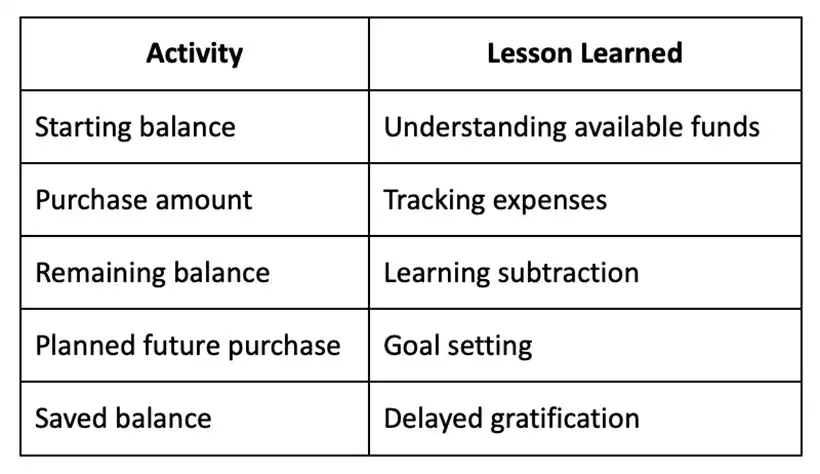
This exercise strengthens both financial awareness and basic math skills.
Helping Kids Separate Wants From Needs
One of the biggest financial lessons children can learn is understanding the difference between wanting something and actually needing it.
Gift cards naturally encourage this conversation.
Suppose your child has enough balance to purchase either one premium gaming accessory or several school supplies and books.
Instead of answering for them, ask questions like:
“Which purchase will make you happier next month?”
“Is this something you really need?”
“What happens if something even better comes along next week?”
These discussions help children develop smart spending habits for kids that often continue into adulthood.
The Power of Waiting
Children naturally want instant rewards. Money management teaches something very different. Sometimes waiting creates better outcomes.
If your child receives a $25 gift card but wants something worth $60, resist the urge to immediately add extra money.Instead, encourage them to save birthday money, holiday money, or future gift cards until they reach their goal.
This teaches patience, planning, and delayed gratification. Children begin realizing that saving isn’t about giving something up.
It’s about earning something better later. This simple lesson forms the foundation of money management for kids.
Digital Gift Cards Fit Today’s Digital Generation
Today’s children are growing up in a world where shopping often happens online rather than inside physical stores.
That makes digital gift cards for kids an especially useful teaching tool.
Children become familiar with digital payments while still learning responsible spending. Parents can monitor purchases, review balances together, and discuss buying decisions before checkout.
Instead of fearing digital payments, children learn to use them wisely. Modern financial education should reflect the way people actually shop today. Digital gift cards help bridge that gap perfectly.
Teaching Gift Card Math Without Feeling Like Homework
Children sometimes struggle to understand why math matters.
Gift cards provide an answer.
Before purchasing anything, ask your child to calculate:
“How much will two items cost together?”
“How much money will remain?”
“If sales tax is added, will you still have enough?”
Without realizing it, children practice addition, subtraction, estimation, and mental calculations.
These everyday shopping moments become enjoyable budgeting activities for kids instead of traditional math exercises.
A Simple Gift Card Budget Challenge
One enjoyable family activity is creating a spending tracker together.
Rather than treating the gift card like “free money,” encourage children to record every purchase.
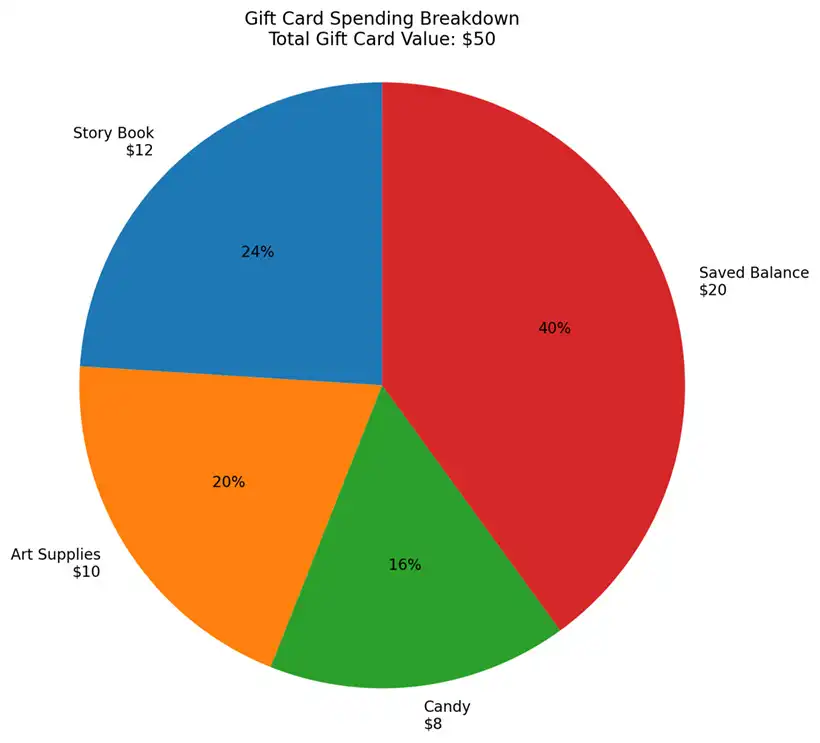
This small habit teaches children that every purchase affects future choices.
It also introduces basic arithmetic through addition and subtraction while reinforcing teaching kids budgeting skills in a practical way.
Age-Appropriate Money Lessons Using Gift Cards
Every stage of childhood offers different learning opportunities.
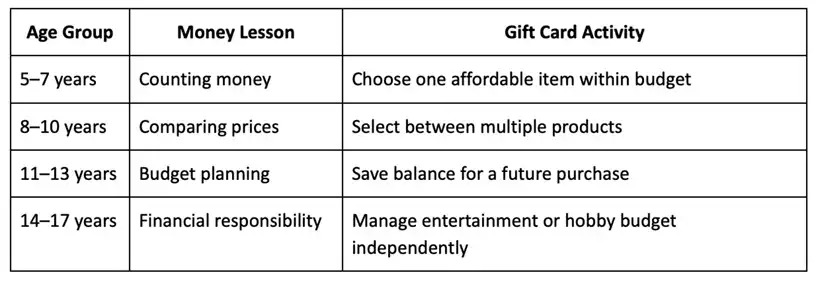
As children grow older, parents can gradually give them greater responsibility while still maintaining healthy spending boundaries. This gradual approach supports teaching children financial responsibility without overwhelming them.
Create a Family Budget Challenge
Learning becomes exciting when it feels like a game.
One creative idea is creating a monthly family shopping challenge. Give each child the same gift card amount. Then create a simple challenge.
Who can find the best value? Who saves the highest percentage? Who plans purchases most carefully? Who avoids impulse buying?
Instead of rewarding whoever spends the most, celebrate thoughtful decision-making. Children begin understanding that financial success isn’t measured by spending—it’s measured by making smart choices.
This is one of the most enjoyable ways to how parents can teach kids about spending without making money conversations stressful.
Beyond Shopping: Teaching Goal Setting
Gift cards don’t always have to be spent immediately.
Parents can encourage children to save multiple gift cards toward one meaningful purchase.
- Perhaps it’s a bicycle.
- A gaming console.
- Sports equipment.
- Art supplies.
- A musical instrument.
Every saved gift card represents progress toward a larger goal.
Children experience firsthand that consistent saving eventually leads to bigger rewards.
This builds confidence while reinforcing long-term planning.
Why Parents Prefer Gift Cards Over Giving Cash
Although cash certainly has value, gift cards often provide more structure for young learners.
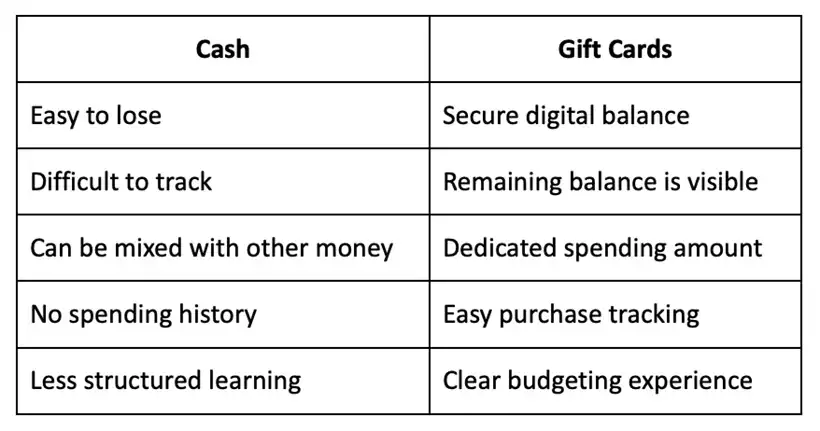
This structure makes gift cards especially useful for families beginning their child’s financial education journey.
Make Learning Fun with Popular Digital Gift Cards
Children become more engaged when they can choose brands they genuinely enjoy.
Instead of treating budgeting like another school lesson, parents can make it exciting by allowing children to plan purchases from their favorite stores, bookstores, gaming platforms, restaurants, toy retailers, entertainment services, or clothing brands.
This is where PlusGiftCard makes the learning experience even easier.
Parents can browse a wide selection of digital gift cards from popular brands, select an amount that matches the lesson they want to teach, and deliver it instantly. Whether the goal is introducing first-time budgeting, rewarding responsible saving, or helping children make thoughtful spending decisions, having access to numerous digital gift card options allows every lesson to feel practical and enjoyable.
Beyond purchasing digital gift cards, PlusGiftCard offers a simple and secure platform designed to make managing gift cards convenient. Families can choose denominations that suit different ages and learning stages, making it easy to create personalized money lessons without unnecessary complexity.
Instead of giving children unlimited spending freedom, parents can provide structured financial experiences that gradually build confidence and responsibility.
Learning becomes something children look forward to rather than something they are forced to do.
Small Gift Cards, Big Financial Lessons
Children rarely remember every lecture about money.
- They do remember buying something they truly wanted after carefully saving for it.
- They remember choosing between two items because their budget wouldn’t allow both.
- They remember checking their remaining balance before making another purchase.
Those real-life experiences shape lifelong financial habits.
If you’re looking for a practical, enjoyable, and modern way to teach kids about money with gift cards, start small. Give children opportunities to make real decisions, celebrate thoughtful choices, and discuss every purchase together.
With access to digital gift cards from hundreds of popular brands through PlusGiftCard, parents can transform ordinary shopping into meaningful financial education. Every purchase becomes a lesson, every balance becomes a budget, and every smart decision helps prepare children for a financially confident future.
Frequently Asked Questions
1. How can gift cards teach kids about money?
Gift cards help children understand that money has limits. Since every card has a fixed balance, kids naturally learn budgeting, spending decisions, saving, and tracking expenses while making real purchases.
2. Are gift cards a good way to teach budgeting?
Yes. Gift cards provide a safe way for children to practice budgeting because they cannot spend more than the available balance. This encourages thoughtful purchasing and planning.
3. What age should kids learn about money?
Children can begin learning basic money concepts as early as five years old. Simple budgeting exercises using gift cards can gradually become more advanced as children grow older.
4. How do parents teach children financial responsibility?
Parents can teach financial responsibility by allowing children to make age-appropriate spending decisions, discussing wants versus needs, encouraging saving goals, and reviewing purchases together after shopping.
5. Can gift cards help children learn budgeting?
Absolutely. Gift cards help children plan purchases, compare prices, monitor remaining balances, and experience the importance of spending within a set limit.
6. What are fun ways to teach kids about money?
Family shopping challenges, saving toward a dream purchase, comparing product prices, creating spending journals, and using digital gift cards for planned purchases are all engaging ways to build financial skills.
7. How can kids learn to save and spend wisely?
Children learn by setting savings goals, delaying unnecessary purchases, tracking their balances, and discussing buying decisions with parents before spending.
8. Should children have prepaid gift cards?
Prepaid gift cards can be an excellent learning tool when used under parental guidance. They provide spending freedom within safe financial boundaries and help children build responsible habits.
9. How do gift cards help kids understand spending limits?
Because gift cards contain a fixed amount, children immediately see how every purchase affects their remaining balance. This creates a clear understanding that money is finite.
10. What’s the best way to teach financial literacy to children?
The most effective approach combines real-life experiences with regular conversations. Using digital gift cards for everyday purchases allows children to practice budgeting, saving, comparison shopping, and responsible spending in meaningful, hands-on ways.